


A Scholastick Study — Anno MMXXVI
Anatomia Ovis Aries
Being a Most Thorough & Delightful Examination of the Common Sheep,
with Particular Attention to its Remarkable Fleece
A Natural History — The Codex Ovis
A Most Thorough & Delightful
Examination of the Sheep
The humble sheep — Ovis aries — has been humanity's companion for over ten thousand years. And yet, how little we truly know of these remarkable creatures. From their rectangular pupils to their four-chambered stomachs, sheep are marvels of evolutionary design.
What follows is a scholastick examination in the tradition of the great natural historians. Hover, tap, and explore — for the sheep has far more to reveal than one might suppose.
Interactive Plate
Anatomia Ovis Aries
Hover thy cursor upon any marker to reveal its annotation
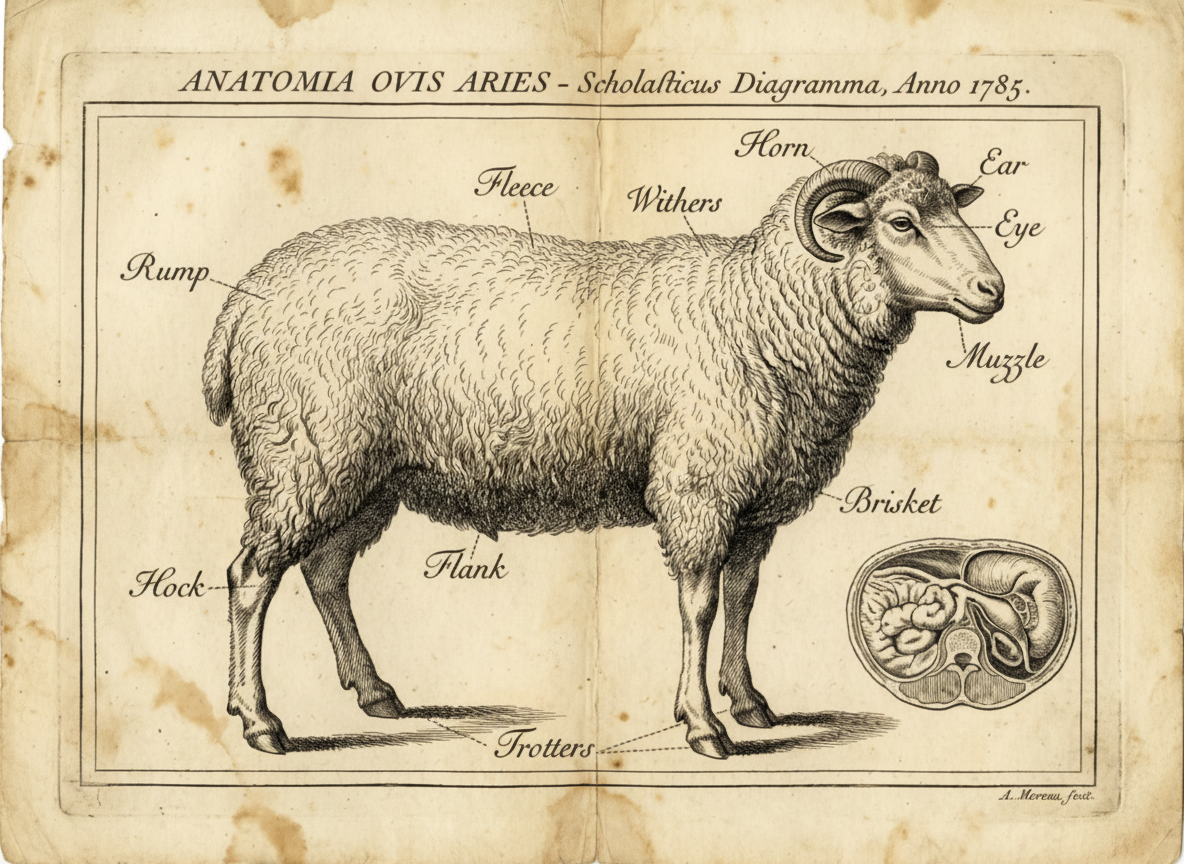
Fig. I — The subject, with points of anatomical interest marked for inspection
☞ Hover over a marker on the diagram to read its annotation here
Index of Parts
Chapter the First
Of the Head
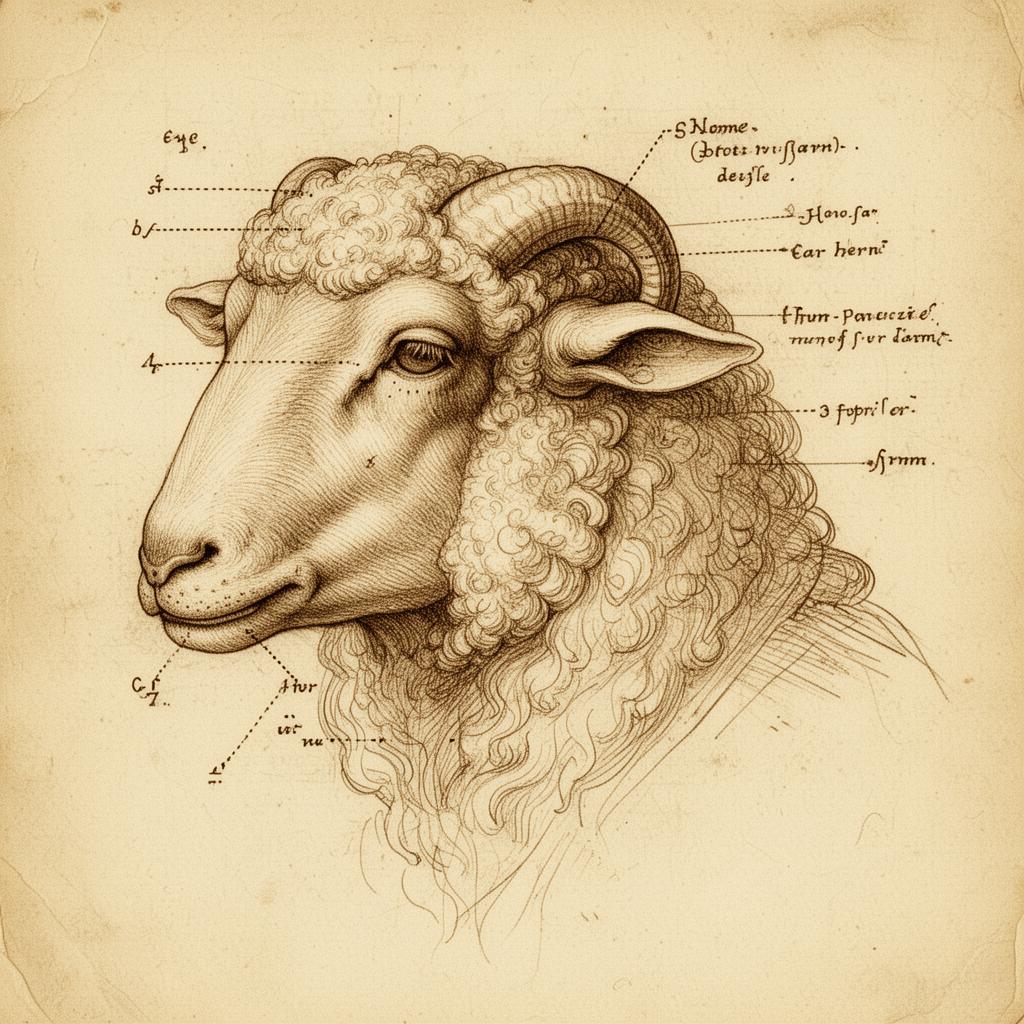
Fig. II — The head, showing the arrangement of the eye, ear, and horn
The head of the sheep is a marvel of evolutionary design. Those large, gentle eyes are positioned laterally upon the skull, affording nearly panoramic vision — essential for detecting predators. The pupils, rectangular in shape (yes, rectangular!), rotate to remain level with the horizon even when the creature bends to graze. One cannot help but admire such elegant engineering.
On the Ears
Each ear can rotate independently, functioning as a furry satellite dish to pinpoint the precise origin of a sound. Rather useful when wolves are about.
On the Nose
A mother ewe identifies her lamb by scent alone, even amongst hundreds. The olfactory bond between dam and offspring is established within mere hours of birth.
Chapter the Second
Of the Body & Internal Organs
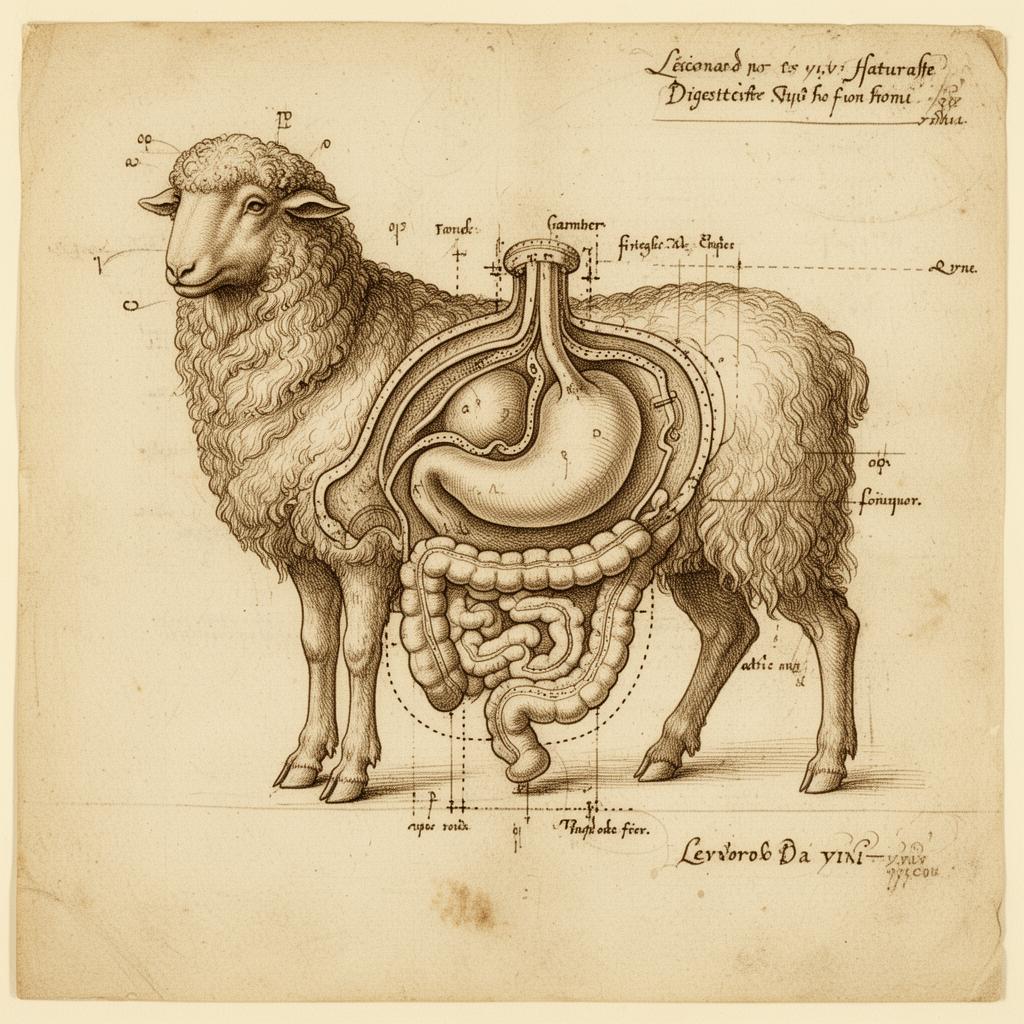
Fig. III — The digestive apparatus, showing the four chambers of the stomach
Beneath the magnificent fleece lies a surprisingly muscular and compact body. Sheep are ruminants, possessing a four-chambered stomach — they chew their food, swallow it, bring it back up, and chew it again. This may sound disagreeable, but it is in fact a superpower: it allows them to extract maximum nutrition from the toughest of grasses.
Four Stomachs!
Technically four compartments: the rumen, reticulum, omasum, and abomasum. Each plays a different rôle in the breakdown of cellulose. Nature's own multi-stage digestion factory.
On the Heart
A sheep's resting heart rate is 60–90 beats per minute — remarkably similar to our own. They are more like us than one might suppose.
Chapter the Third
Of the Fleece & its Wondrous Fibres
"Herein we examine the fleece most closely, for it is in the smallest particulars that Nature reveals her greatest ingenuity."
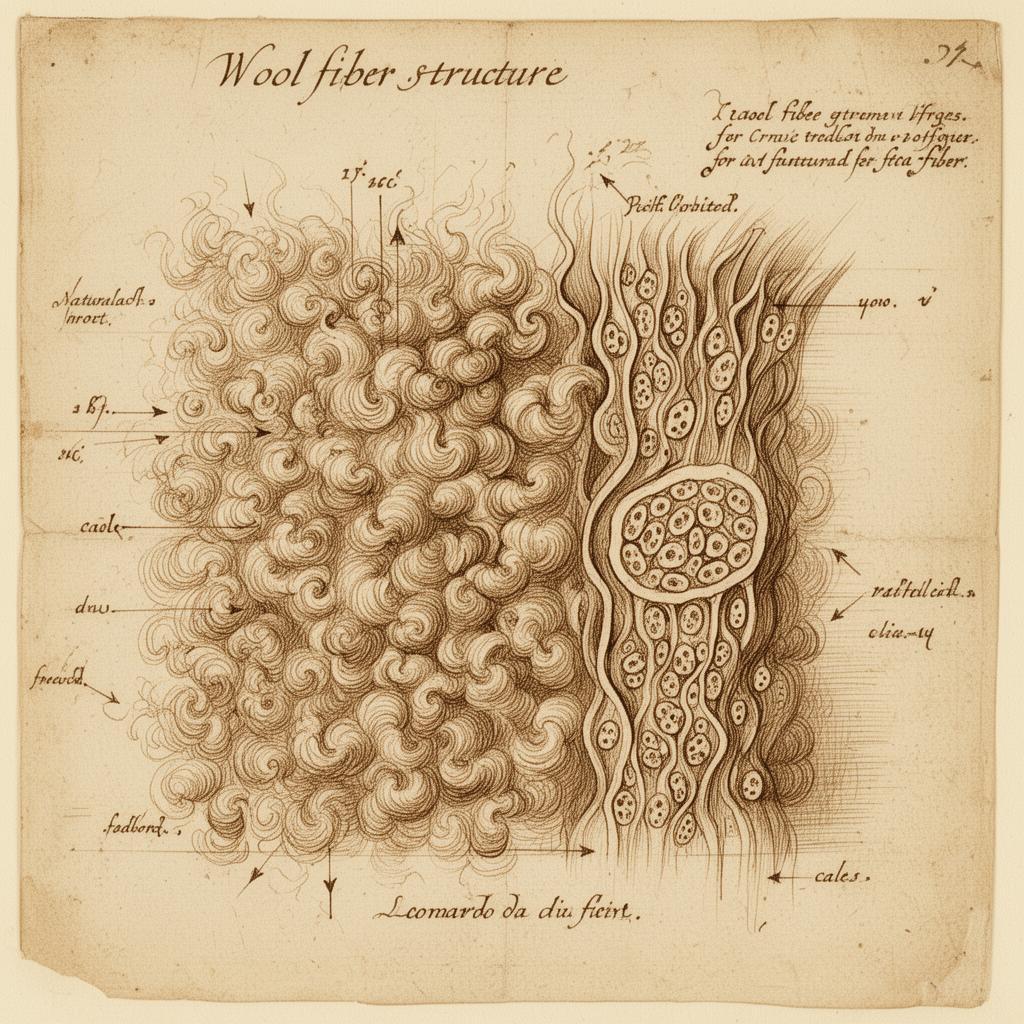
Fig. V — The fibre of the fleece, magnified, showing the overlapping scale structure
On the Structure of the Fibre
Each wool fibre possesses tiny overlapping scales — not unlike the tiles upon a rooftop — which grant the wool its natural grip and remarkable elasticity. When wetted and agitated, these scales interlock permanently, giving us the miracle of felt.
Of Lanolin, the Sheep's Own Wax
The greasy substance found upon raw wool is lanolin — a natural wax that waterproofs the sheep most effectively. Humanity has found it useful in lip balms, moisturisers, and — rather surprisingly — rust prevention.
Natural Superpowers
Wool is flame-resistant, protective against the Sun's rays, and capable of absorbing up to thirty percent of its own weight in moisture without feeling damp. It is, in essence, Nature's own high-technology fabric.
On Temperature
The fleece keepeth its wearer warm in winter and cool in summer — each fibre acting as a tiny regulator of bodily heat. Quite the clever trick.
On Flame Resistance
Unlike the synthetic fabricks of our modern age, wool doth not melt nor drip when exposed to fire. Firefighters oft include wool in their garments for this very reason.
On Self-Cleaning
The waxy coating of lanolin renders wool naturally proof against odour and bacteria. One might wear a woollen jumper for weeks before laundering. (We shall not judge.)
On Strength
A single wool fibre can be bent back upon itself some 20,000 times without breaking. Cotton, by comparison, snaps at a mere 3,200. Most impressive.
Chapter the Fourth
Of the Hooves
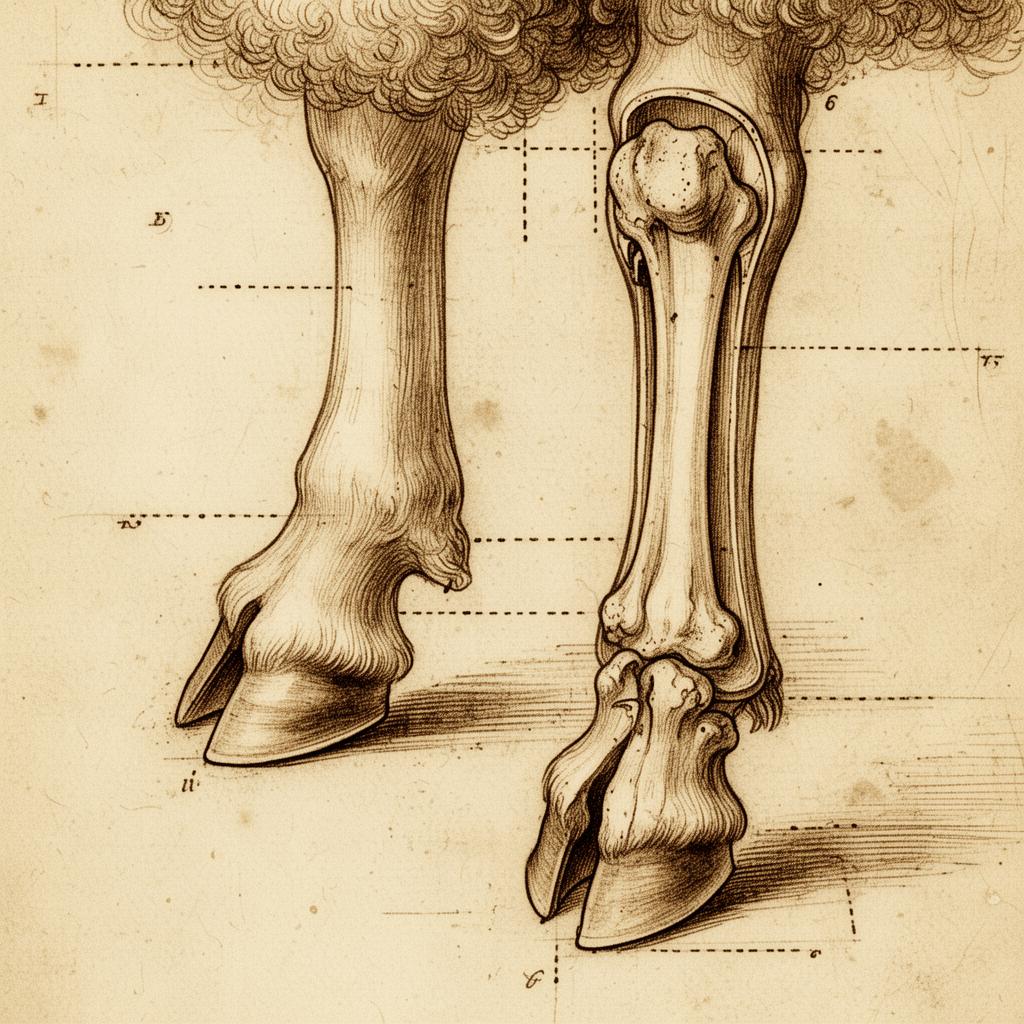
Fig. VI — The hoof, showing the cloven structure and bone arrangement
Those charming little clip-cloppers are cloven — split into two toes — granting sheep excellent purchase upon rocky, uneven terrain. Wild sheep navigate astonishingly steep mountain slopes that would give even a mountain goat pause. Well, almost.
On Mountain Climbing
Bighorn sheep scale near-vertical cliff faces using hooves whose soft, concave pads grip the rock like nature's own suction cups. One admires and envies them in equal measure.
On Pedicures
Domesticated sheep require regular hoof trimming, much as we must clip our own nails. A sheep spa day, if you will. They deserve it.
Appendix
Miscellaneous Observations & Curiousities
Being a collection of remarkable facts about the sheep, gathered for the amusement and edification of the reader.
On Counting Sheep
Studies suggest that any sufficiently boring mental exercise may aid the transition to sleep — though counting sheep, it turns out, may be too dull even for that. Science is still deliberating.
Of their Intelligence
The sheep can recall up to fifty individual faces — both ovine and human — for a period exceeding two years. They would not soon forget thy countenance.
Of their Remarkable Vision
With rectangular pupils and eyes positioned laterally, sheep possess nearly panoramic sight. Approaching one undetected is an endeavour most futile.
On Social Bonds
Sheep experience distress when separated from their flock. They form close friendships and can perceive when their companions are in low spirits.
A Global Census
There exist above one billion sheep upon this Earth — roughly one sheep for every eight humans. In New Zealand, the ratio is around five sheep per person.
Contributions to Medicine
Dolly, the first mammal cloned from an adult cell, was a sheep. Born in 1996 at the Roslin Institute, she changed the course of stem cell research and remains the most famous sheep in scientific history.

Thus Concludeth Our Study
Next time thou dost encounter a sheep upon a hillside, offer it a nod of quiet appreciation. They do considerably more than merely stand in fields looking fluffy.

