


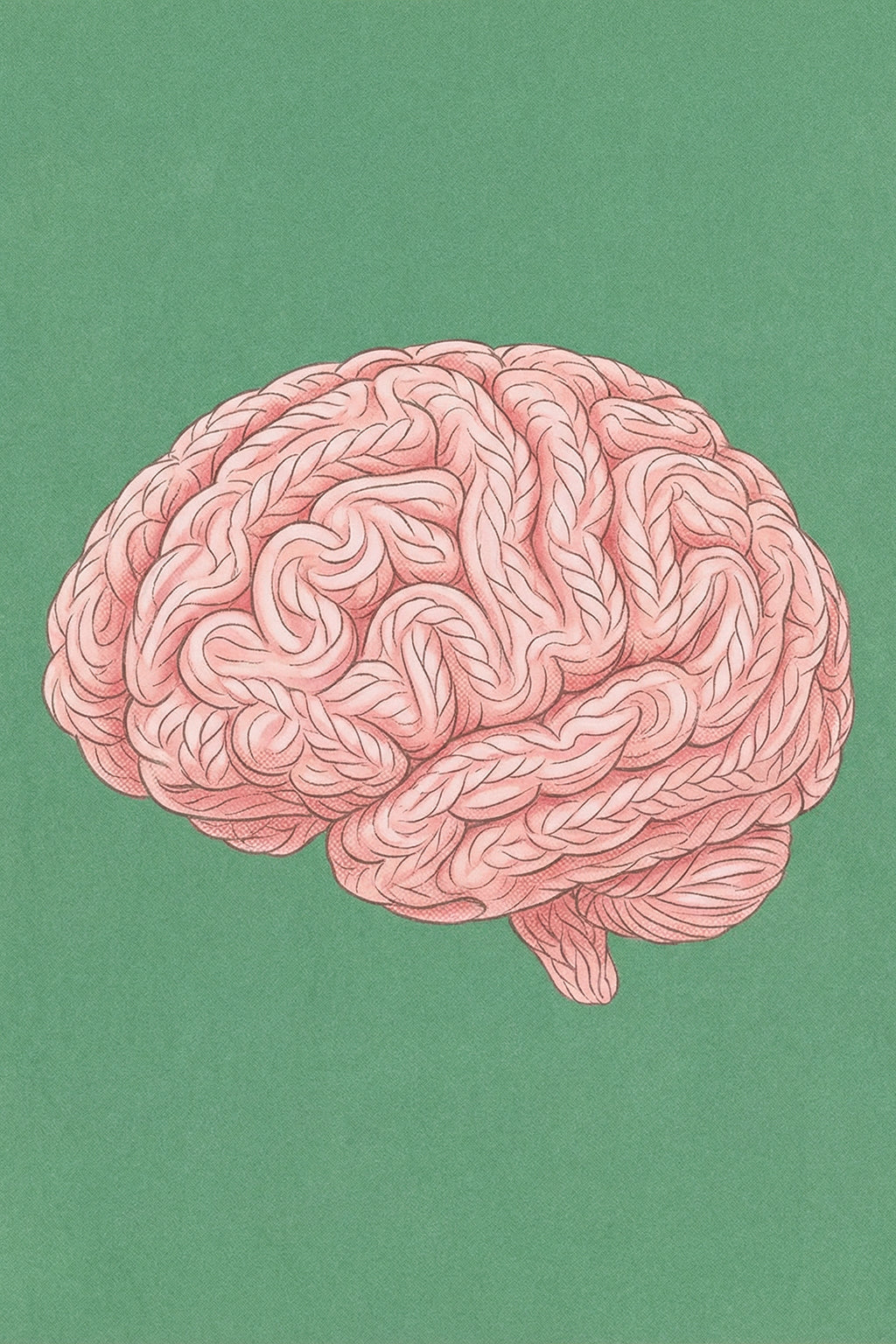
The Thread of Thought
SOFTNESS
Before we trusted language, we trusted touch.
Words by Yasmin Tills · 9 March 2026
Touch is one of the first signals the human brain understands.
Long before sight sharpens or words form, the body learns texture. Warmth, weight, the reassurance of something gentle against the skin.
Scientists call it tactile comfort.
The rest of us call it instinct.
Soft things slow us down.
They steady the breath.
They soften the edges of a long day.
A tactile interlude
Feel it for yourself
Go on, give it a stroke…
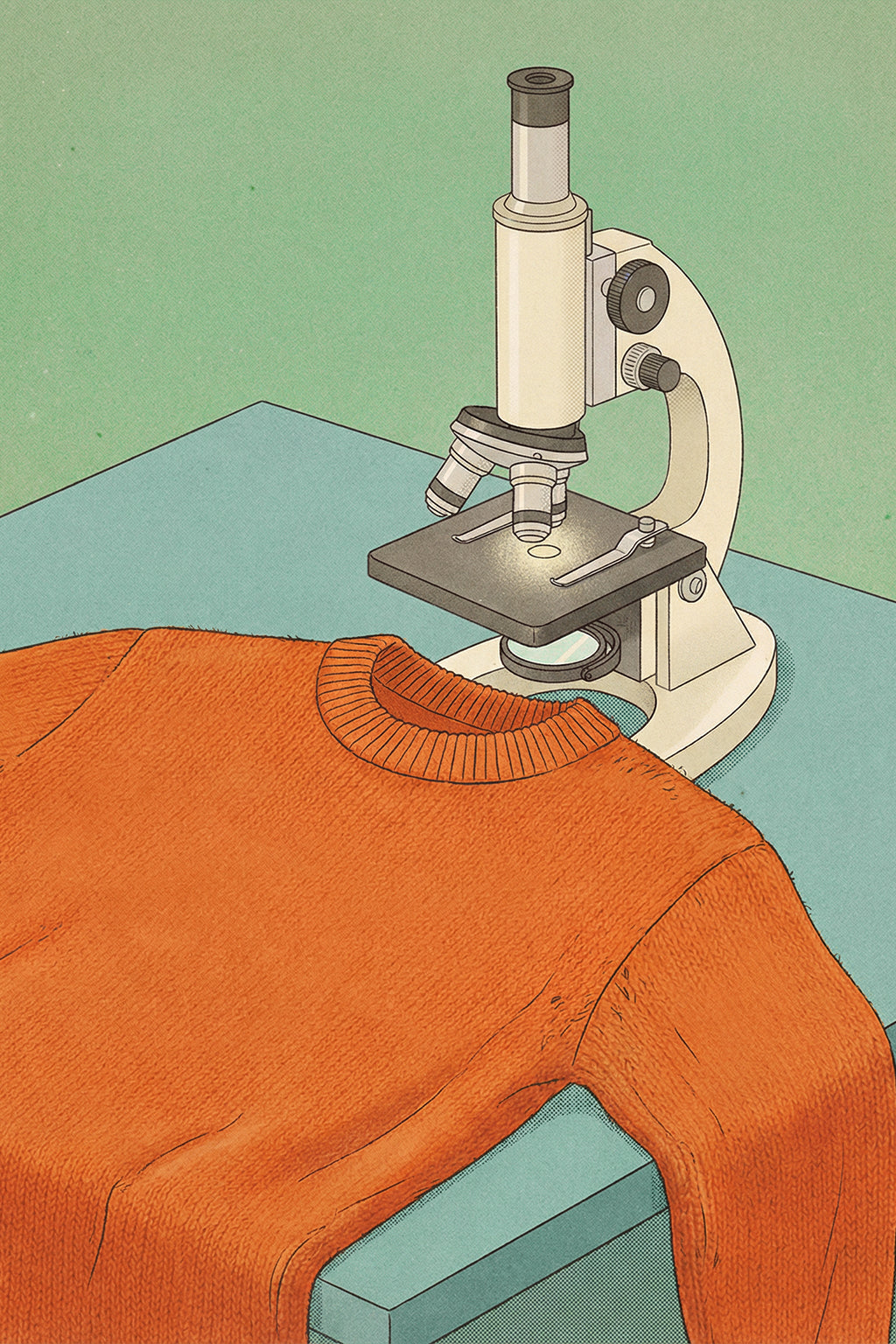
A completely scientific study
The Softness Index™
Things ranked by how soft they actually are. Results may vary. Methodology: vibes.
* No labradors were harmed in the making of this chart.
Which might explain why, across centuries and continents, humans have returned to the same materials time and time again. The ones that breathe, move, and settle naturally into our lives.
Materials that don't shout. Materials that simply feel right.
Wool has long been one of them.
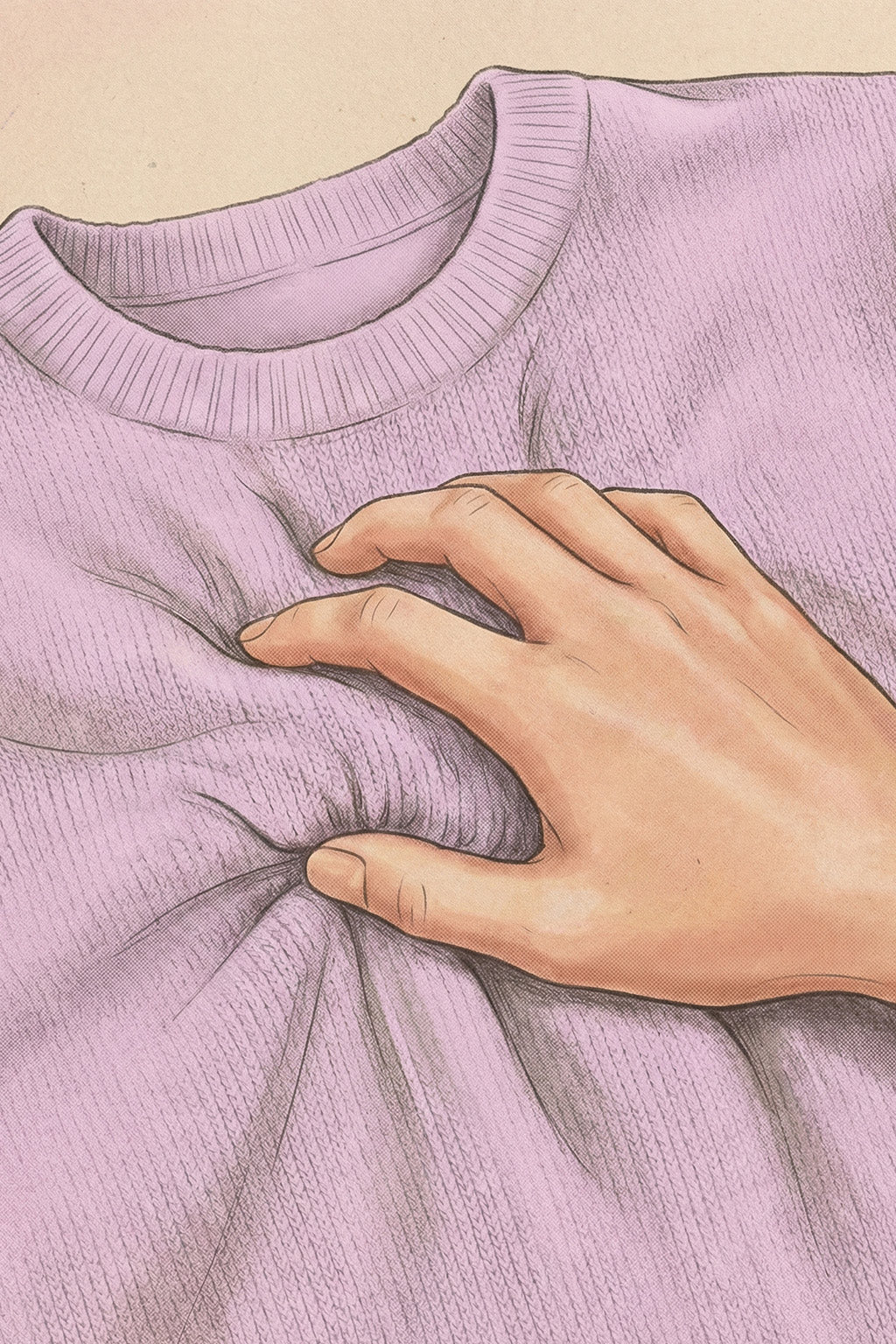
Ultrafine Merino in particular has a kind of instinctive intelligence to it.
Soft without being fragile, light without being empty, warm without smothering.
A fibre that adapts and softens, becoming more itself the longer it's worn.
The kind of softness you notice first with your hands. And then with everything else.

